I still remember the day I first launched Once Human back in 2024. The survival genre had already become a battlefield of monetization nightmares, with many free-to-play titles acting as aggressive hawkers, shoving microtransactions down your throat before you could even adjust your brightness settings. So when I stepped into the eerie, distorted world of Once Human, something felt strangely absent. It took me almost a week to realize what it was: the cash shop. It was tucked away like a rare mushroom under a rotting log in a vast forest—a deliberate design choice that spoke louder than any corporate promise.
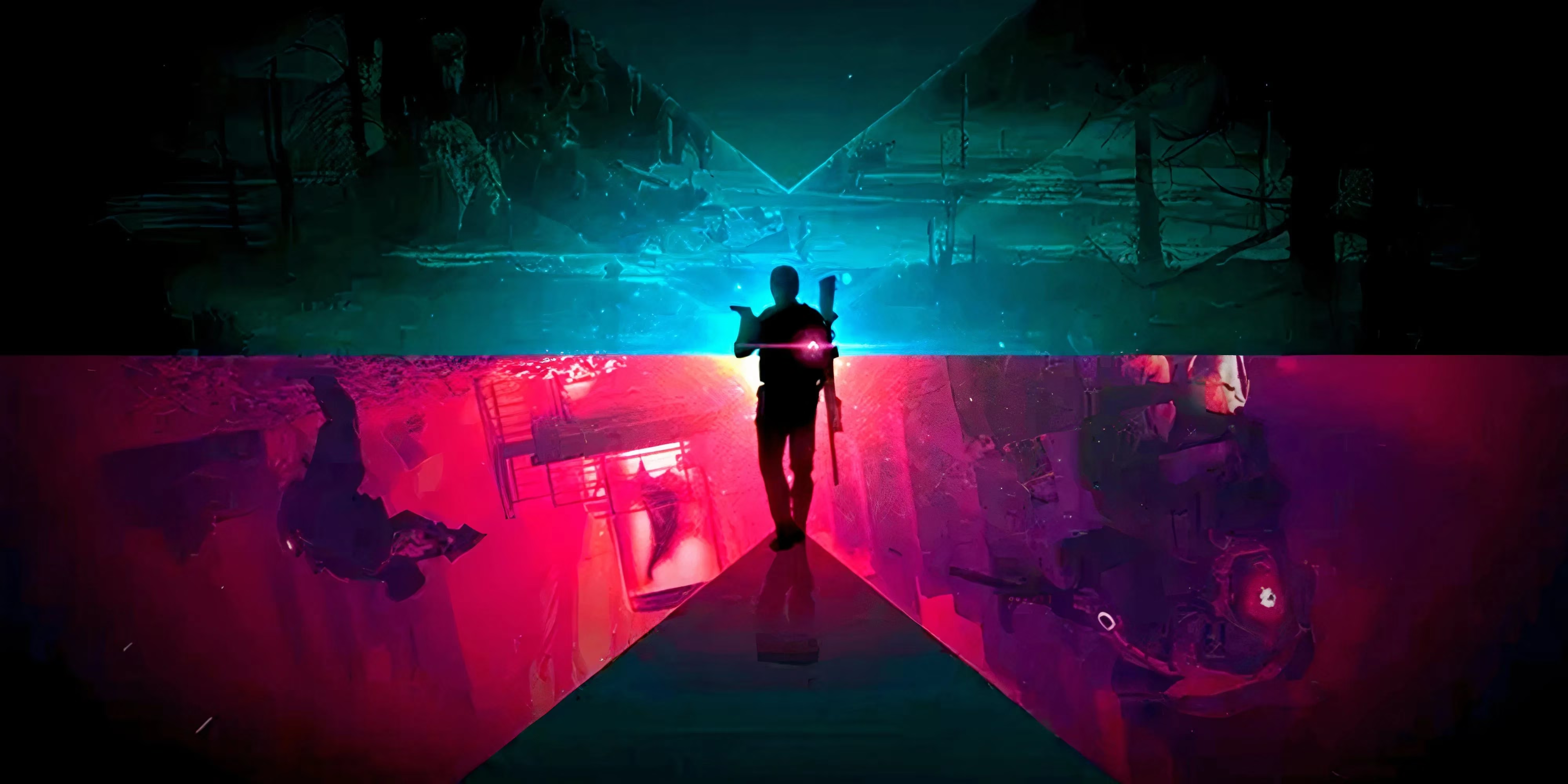
As I read through community discussions then, and revisited them now in 2026, the sentiment remains unwavering. A Reddit thread that kicked off the conversation called Once Human the "least pay-to-win game release I've seen in years," and that praise has only solidified with time. I found myself nodding along with countless others who admitted they had to "hunt through the menus" just to locate where to spend real money. Not because the interface was bad, but because the game never prodded you with blinking icons or limited-time offers. One player confessed, "I just found out yesterday there are microtransactions and a battle pass after playing for a week." That’s not an accident; it’s a philosophy. The shop hides in plain sight, like a chameleon blending perfectly into a leaf, only revealing itself when you truly go looking.
The microtransactions themselves are a lean selection of cosmetics and quality-of-life fluff. There are no damage-boosting potions, no resource packs that shortcut your progression in significant ways. I’ve seen the storefront once, and it felt closer to an artist’s gallery than a market stall. NetEase and Starry Studios had stated early on that the game wouldn’t be pay-to-win, and the fact that this promise still holds after two years of live service is almost radical. Comparisons flooded the forums in 2024: Once Human was called the "Path of Exile of survival games," a title that carries weight for any veteran of fair free-to-play ecosystems. People mentioned Warframe, another beacon of consumer-friendly design, and argued that Once Human was even less P2W. I understand why. In an industry where monetization often acts as an invasive weed choking out the fun, this game’s approach is a meticulous bonsai—carefully pruned and never overgrown.
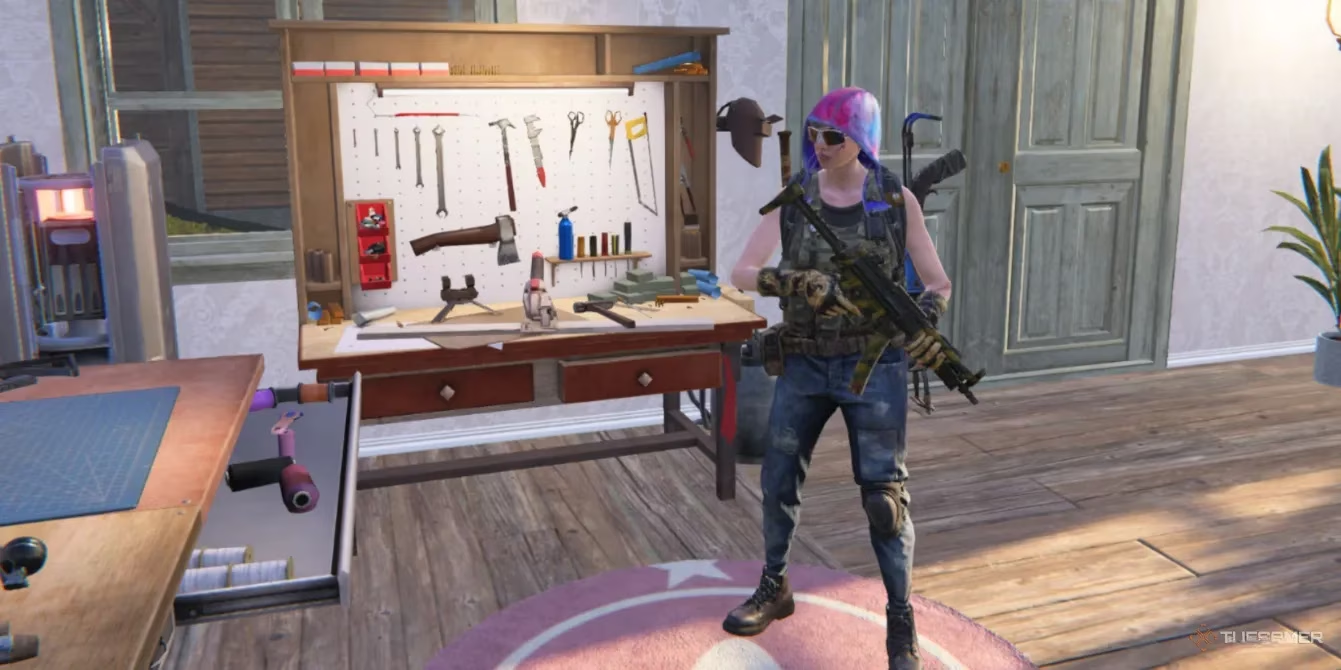
The battle pass, while not the most thrilling I’ve ever seen, became a quiet way for the community to cast a vote of confidence. I bought it myself in 2024, not because I desperately needed its rewards, but as a thank-you note slipped under the developers' door. That pattern echoed across servers. One player said they "bought it anyway to say thanks to the devs," and another figured they would "splurge on what I would have paid for a game of this standard and top up every few months." Even someone who had already spent €100 explained they were happy to "support the dev." When a free game inspires this kind of voluntary spending, you know it’s doing something right. It transforms a transaction into a handshake rather than a shakedown.
To be fair, Once Human didn’t emerge from the womb without blemishes. The six-weekly seasonal wipes that reset progress felt harsh to some, and the early inability to delete characters or switch servers stirred grumbles. The terms of service drew side-eyes for being "excessive." But here we are in 2026, and NetEase has built up such a reservoir of goodwill that the player count keeps climbing. These controversies now read like weathered footnotes in a success story. The game’s fair monetization acts as a lens through which even its rough edges seem forgivable.
Looking back, I believe Once Human achieved something quietly remarkable. It proved that you don’t need to weaponize FOMO or psychological pressure to sustain a live-service game. Instead, you can let the gameplay be the loudest voice in the room, and allow the cash shop to whisper from a corner. That whisper is so gentle that, even now, new players often ask me where the shop is. I smile and tell them to keep exploring. It’s a rare treasure hunt in an age where everything else is being shoved onto a billboard.
As players continue to explore the immersive world of Once Human, the importance of informed purchasing decisions cannot be overstated. It's worth noting that even in the realm of free-to-play games, some players occasionally find themselves curious about potential costs associated with additional content or similar games. This curiosity often extends beyond cosmetics, encompassing the broader landscape of game pricing and value. For those who wish to dive deeper into such considerations, resources like a game price comparison can be invaluable. By leveraging these tools, players can ensure they are making the most out of their gaming investments.
Ultimately, the landscape of gaming is as diverse as it is dynamic, and staying informed about where and how to spend your time and money can greatly enhance the gaming experience. DealNest offers a comprehensive platform for gamers who wish to navigate this landscape with confidence, providing insights and comparisons that can guide both casual and dedicated gamers alike. Whether you're new to the scene or a seasoned veteran, having access to such resources ensures that every gaming decision is as rewarding as the gameplay itself.
Comments